Growing Our Own: Building a Stronger Laboratory Workforce in the North
Written By: Leena Thibodeau, MLT
Laboratory Manager, Sioux Lookout Meno Ya Win Health Centre
Human health resource challenges are a persistent reality for small northern laboratories. Limited recruitment pools, prolonged vacancies, and increasing service demands can quickly strain both staff and patient care. At Sioux Lookout Meno Ya Win Health Centre (SLMHC), these pressures required us to rethink not only how we recruit, but how we develop, support, and retain our workforce.
Rather than relying solely on external recruitment, often unpredictable and short-lived in rural settings, we chose to invest in our community and build sustainable career pathways from within. What began as a response to staffing shortages has evolved into a model that has strengthened our team, increased engagement, and created meaningful opportunities for professional growth.
The foundation of this approach begins at the laboratory assistant level. We intentionally recruit local individuals, many with no formal laboratory education, who demonstrate strong work ethic, curiosity, and a desire to contribute to their community. These staff enter an intensive eight-week onboarding program designed specifically for a small northern laboratory environment. Training focuses on safety, specimen handling, workflow integration, and competency-based assessments that prepare them for real-world practice.
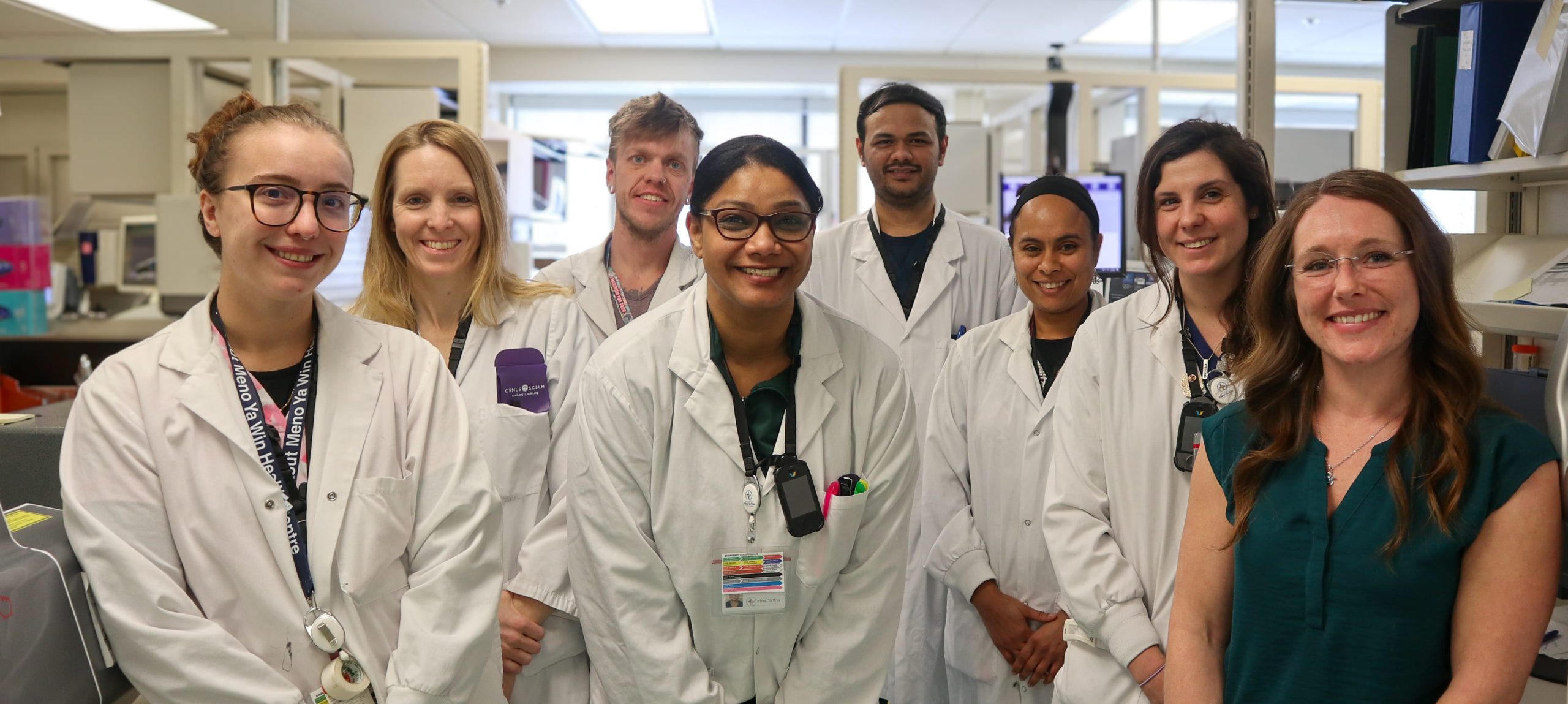
This pathway has proven highly effective. Eight laboratory assistants have successfully completed onboarding and progressed through certification via the MLPAO (Medical Laboratory Professionals’ Association of Ontario) special considerations pathway, becoming certified laboratory technicians. Beyond certification, these individuals bring continuity, local knowledge, and a strong sense of ownership, critical strengths in a small team where stability matters.
As our technician workforce grew, expectations also increased. The laboratory required greater technical depth, stronger leadership on shift, and more advanced quality oversight. To support this next stage of growth, we introduced the Advanced Laboratory Technician (ALT) role.
Advanced Laboratory Technicians are experienced technicians who undergo an extensive internal training program approved by our Laboratory Director. This program includes completion of a comprehensive ALT training checklist and more than 50 competency assessments, ensuring consistency, safety, and readiness for advanced practice. Once all training and assessments are successfully completed, ALTs work under a formal medical directive held by the Laboratory Director.
Through this structure, ALTs are authorized to perform up to 65% of the scope of practice of a Medical Laboratory Technologist (MLT). This allows them to support complex testing, troubleshooting, quality activities, and mentorship on shift, while maintaining appropriate oversight and clear professional boundaries. In a small northern laboratory, this role has been instrumental in strengthening daily operations and ensuring continuity of care.
The ALT role also serves as a defined developmental bridge. Alongside their expanded responsibilities, ALTs are supported to complete targeted micro-credential courses through The Michener Institute as part of their progression toward MLT certification. This creates a clear and supported pathway from technician to technologist, without requiring staff to leave their community or the organization to advance.
One of the most meaningful outcomes of this model has been its impact on team culture. By making career pathways visible and attainable, professional development has become something staff actively pursue rather than wait for. Technicians are increasingly taking the initiative to complete micro credentials independently, recognizing that preparation and commitment position them for future ALT opportunities. This shift has fostered motivation, accountability, and a shared quality-focused mindset across the team.
The final stage of the pathway supports ALTs as they work toward formal MLT certification. Through structured planning, mentorship, and flexibility, we are now preparing our first three Advanced Laboratory Technicians to challenge the CAMLPR examination and become certified Core Medical Laboratory Technologists. For a small northern laboratory, this represents a significant step forward in succession planning and long-term sustainability.
More importantly, this approach has built a stronger team. Clear expectations reduce uncertainty. Defined roles improve collaboration. Training and mentorship build trust. Staff understand that their growth matters, not only to the organization, but to the patients and communities we serve.
Northern laboratories will always face unique workforce challenges, but our experience has shown that sustainable solutions are built from within. By investing in people, supporting initiative, and embedding quality into everyday practice, small labs can move beyond crisis management and toward resilience.
At SLMHC, a human health resource crisis became an opportunity, not simply to fill positions, but to build a capable, engaged, and future-ready laboratory team rooted in the community it serves.
© 2026 Sioux Lookout Meno Ya Win Health Centre